
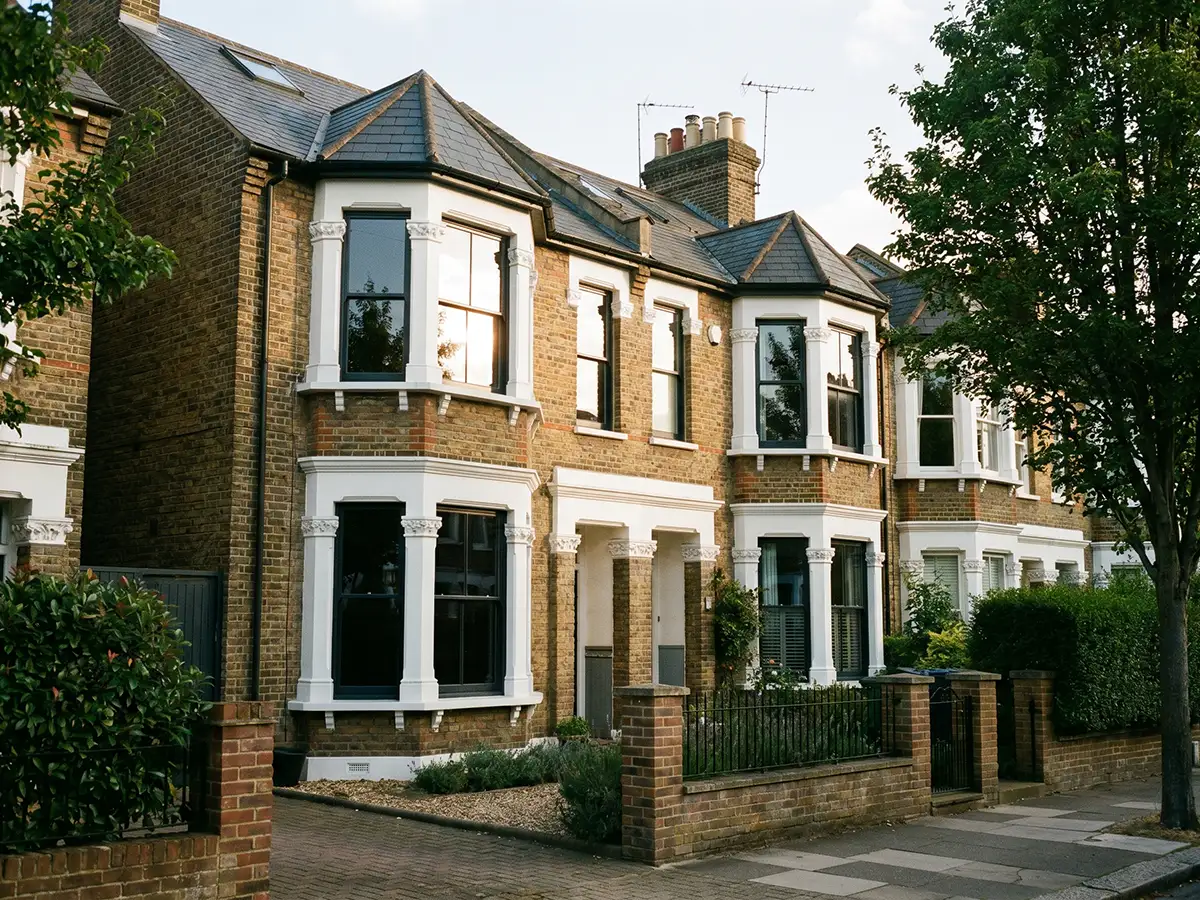
Can you tint a conservatory roof to reduce heat and glare? In many cases, the answer is yes, provided the roof uses compatible glass and the correct film is selected. Tints Windows assesses the glazing, roof construction and required performance before recommending a suitable internal or external window film.
Roof tinting can help make a conservatory more comfortable without covering the glass with a complicated blind system. However, conservatory roofs vary considerably. Some use single or double glazing, while others contain polycarbonate panels, low-emissivity coatings or specialist solar-control glass.
For this reason, a film should never be selected according to appearance alone. The glazing must be assessed to ensure the proposed product is compatible, safe and capable of delivering the expected result.
Can You Tint a Conservatory Roof Made From Glass?
When homeowners ask, “can you tint a conservatory roof?”, the first detail to establish is the roof material. Standard architectural window films are generally designed for compatible glass surfaces.
Glass conservatory roofs may contain clear, tinted or coated panes. They can also be made from single, double or triple-glazed units. Each construction responds differently to sunlight and heat, so the same film will not necessarily suit every conservatory.
Professional conservatory window tinting can be considered for suitable:
- Conservatory roof panels
- Orangery roof lanterns
- Glazed extensions
- Skylights
- Rooflights
- Vertical conservatory windows
- Patio and bi-fold doors
- Glazed side panels
Depending on the glass and the required performance, the film may be installed on the internal or external surface. External film is sometimes recommended when an internal application would cause too much solar energy to be absorbed within the glazing unit.
The installer should identify the glass type before recommending a product. This is especially important with double glazing, coated glass and roof panels exposed to prolonged direct sunlight.
Why Tint a Conservatory Roof?
The next question after “can you tint a conservatory roof?” is usually whether tinting will make a noticeable difference.
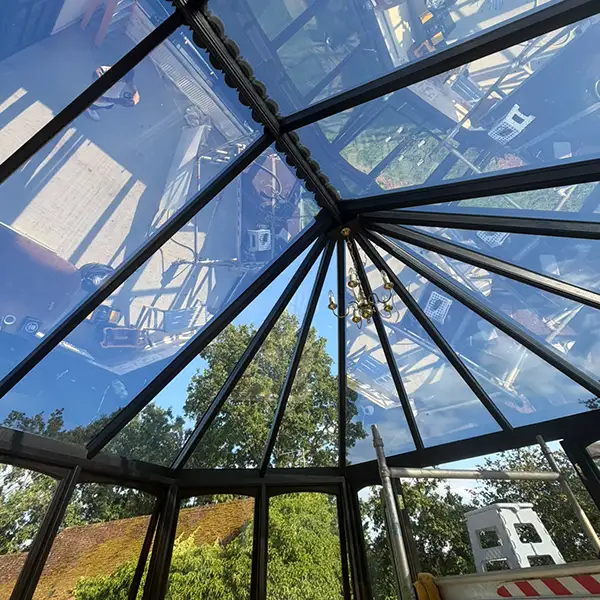
Conservatory roof glass can receive direct sunlight for several hours each day. Because the glass is positioned overhead, sunlight may reach deeply into the room and warm the floor, furniture, walls and work surfaces.
Those materials absorb solar energy and release it as heat. As a result, the temperature inside the conservatory can rise well above the outdoor temperature.
Homeowners experiencing this problem can read more about why conservatories become so hot.
An appropriate solar-control window film can reflect or absorb a proportion of incoming solar energy before it enters the main living space. This may slow heat build-up and help create a more manageable environment.
Potential benefits include:
- Reduced solar heat gain
- Less glare from overhead sunlight
- Improved comfort when using televisions and computers
- Reduced ultraviolet exposure
- Greater protection for furniture and flooring
- Less reliance on permanently closed blinds
- A more balanced appearance across the roof glass
- Improved daytime privacy with selected products
The exact result depends on the film, glazing specification, conservatory orientation, ventilation and amount of direct sunlight.
Window film will not turn a conservatory into an air-conditioned room. However, it can reduce one of the main causes of excessive heat and make other measures, such as ventilation and fans, more effective.
Can You Tint a Double-Glazed Conservatory Roof?
Can you tint a conservatory roof if it contains double glazing? Potentially, but the film must be carefully matched to the glass.
A double-glazed unit contains two panes separated by a sealed cavity. Modern units may also incorporate low-emissivity coatings, gases or other features intended to improve their thermal performance.
Applying an unsuitable film can cause the glass to absorb more solar energy than it was designed to withstand. This may increase thermal stress, particularly if part of the pane is shaded while another part receives strong sunlight.
Several factors should therefore be checked:
- Whether the glass is single, double or triple glazed
- Whether the panes are toughened or laminated
- The presence and position of low-emissivity coatings
- The age and condition of the sealed units
- Existing tinting or solar-control treatments
- The size and angle of each pane
- The direction the roof faces
- The amount of daily sun exposure
- Whether internal or external application is appropriate
External film may be recommended for certain roof glazing because it manages solar energy before it travels deeply into the glass unit. Other glazing may be suitable for an internally applied product.
There is no single film that can safely be applied to every double-glazed conservatory roof. Professional assessment is essential.
Can You Tint a Polycarbonate Conservatory Roof?
Can you tint a conservatory roof made from polycarbonate? This requires a different approach because polycarbonate is not glass.
Many older conservatories use multiwall polycarbonate roof panels. These panels are lightweight and relatively economical, but they have different expansion characteristics, surface properties and protective coatings from glass.
Ordinary architectural glass film should not automatically be installed on polycarbonate. Adhesives designed for glass may not bond correctly to plastic, and the film could react poorly to movement, heat or existing surface coatings.
A generic DIY film may bubble, lift, distort or damage the panel. Some polycarbonate sheets also contain UV-resistant coatings that should not be covered without first checking the manufacturer’s specifications.
Specialist films or alternative solar-control products may be available for certain plastic glazing systems. However, suitability must be confirmed before installation.
If the roof material is unknown, an experienced installer can help identify whether the panels are glass or polycarbonate. Glass usually feels more solid and produces a clearer view, while polycarbonate roofs often contain visible internal channels or ribs.
Homeowners should avoid applying a product until the material has been positively identified.
Internal and External Conservatory Roof Film
Another important part of answering “can you tint a conservatory roof?” involves choosing between internal and external application.
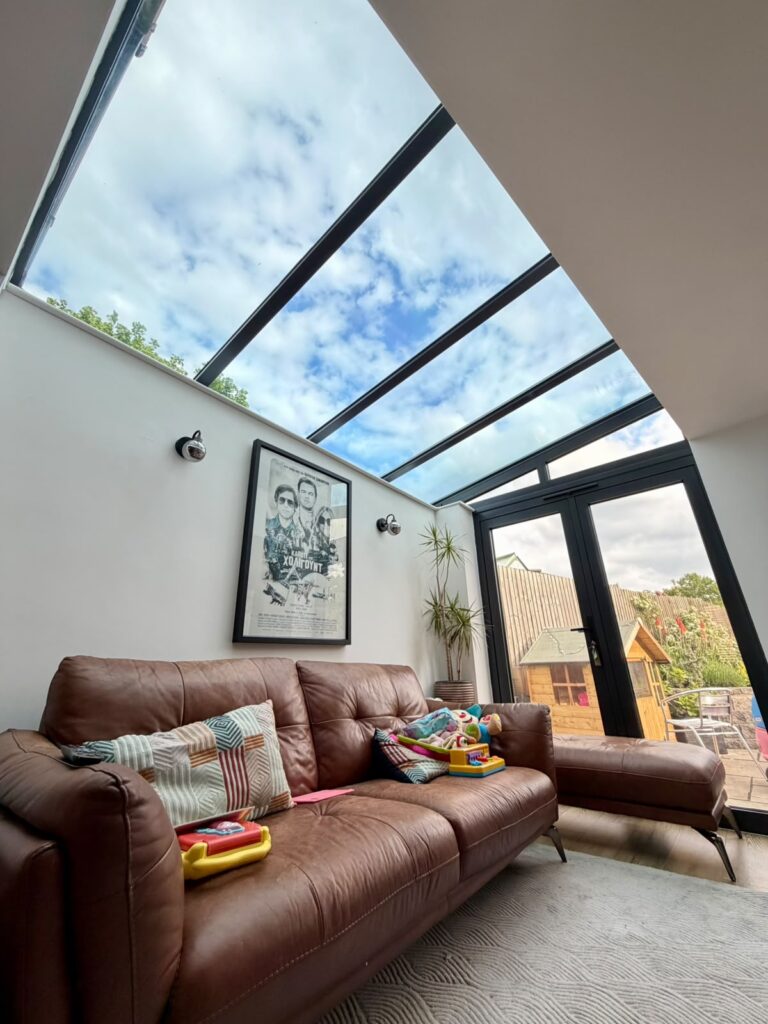
Internal window film is fitted to the room-facing surface of the glass. It is protected from outdoor weather and can be easier to maintain. However, its suitability depends on how the glazing is constructed and how much solar energy the selected film absorbs.
External film is installed on the outside surface. It can reject solar energy earlier, before that energy passes through the outer pane and enters the glazing unit.
External installation may be recommended for:
- Certain types of double glazing
- Roof glass receiving prolonged direct sunlight
- Glazing with particular coatings
- Situations where internal film would absorb excessive heat
- Rooflights that cannot be treated effectively from inside
- Performance requirements better suited to an external product
External films are manufactured to withstand weather exposure, but they must be specifically designed for outdoor use. An internal film should not simply be placed outside.
Access is another consideration. External roof installation may require ladders, scaffolding, access towers or specialist equipment. The installer must consider the roof height, pitch, panel strength and surrounding working area before planning the job.
Film should never be applied by standing or placing inappropriate weight directly on conservatory roof panels.
Will Roof Tinting Make the Conservatory Too Dark?
Homeowners asking “can you tint a conservatory roof?” are often concerned that the result will make the room gloomy.
Window film is available in different shades and performance levels. A dark film will generally reduce more visible light and glare, while a lighter film will preserve more of the conservatory’s original brightness.
Possible options include:
- Light neutral solar-control films
- Medium tints
- Dark anti-glare films
- Reflective finishes
- Spectrally selective films
- Clear UV-protection films
Spectrally selective products are designed to manage particular parts of solar energy while retaining comparatively high levels of visible light. They may be suitable where homeowners want heat reduction without creating an obviously dark appearance.
Nevertheless, every solar-control film changes the glass to some extent. Even a subtle product may be visible when treated panes are positioned beside untreated glazing.
Samples can help homeowners compare the expected colour, reflectivity and light reduction. Viewing samples in the conservatory’s actual lighting conditions is more useful than choosing from a photograph or computer screen.
In some cases, homeowners treat only the roof panels receiving the strongest sunlight. Others prefer to cover the complete roof to create a more uniform appearance.
Can Conservatory Roof Film Reduce Glare?
Can you tint a conservatory roof specifically to control glare? Yes, suitable anti-glare film can reduce the intensity of visible light passing through compatible glazing.
Overhead glare can make a conservatory difficult to use even when the temperature is comfortable. Reflections may affect:
- Television screens
- Computer monitors
- Tablets and mobile phones
- Glossy work surfaces
- Glass dining tables
- Polished floors
- Reading and hobby areas
Glare reduction is particularly helpful when the conservatory is used as a home office, television room or everyday living space.
The film grade should be chosen carefully. A product that is too light may not provide enough improvement, while an unnecessarily dark film could reduce more daylight than the homeowner wants.
The direction of the sunlight should also be considered. Roof tinting may control overhead glare, but low afternoon sunlight could continue entering through untreated vertical windows.
Treating a combination of roof and vertical glazing can sometimes provide a more balanced result.
UV Protection for Furniture and Flooring
The answer to “can you tint a conservatory roof?” is also relevant to homeowners worried about fading.
Conservatory furnishings can receive sunlight from several directions. Roof glazing may expose flooring, dining tables and seating areas to direct light around the middle of the day, while vertical windows allow sunlight to enter during the morning or afternoon.
Ultraviolet radiation is one of several factors that contribute to fading and deterioration. Appropriate window film can reduce UV transmission through treated glazing, providing additional protection for:
- Wooden flooring
- Carpets and rugs
- Sofas and upholstered furniture
- Curtains and cushions
- Artwork and photographs
- Books and collectables
- Painted surfaces
- Decorative fabrics
No window film can stop fading entirely. Visible light, heat, humidity, material quality and natural ageing also contribute.
However, continuous UV protection can help reduce one of the major causes without requiring homeowners to keep roof blinds closed throughout the day.
Roof Window Film or Conservatory Blinds?
For some homeowners, “can you tint a conservatory roof?” forms part of a broader comparison between film and blinds.
Roof blinds provide adjustable shade and can be opened or closed according to the weather. Depending on their material, they may also provide privacy after dark.
However, internal blinds sit behind the glass. This means solar energy has already passed into the conservatory before reaching the fabric. Blinds can also collect dust, require cleaning and introduce tracks, cords or motors around the roof structure.
Window film remains directly on the glass and provides continuous solar and UV control without daily adjustment. It does not occupy space around the frames or require an operating mechanism.
Our detailed comparison of conservatory roof blinds and window film explains the differences in heat reduction, glare control, appearance, maintenance and privacy.
Film and blinds can also be used together. Window film can provide continuous solar control, while blinds offer adjustable shade and greater evening privacy.
Can You Install Conservatory Roof Film Yourself?
Can you tint a conservatory roof using film purchased online? Although DIY products are widely available, roof glazing presents several challenges that make professional installation advisable.
First, the film must be compatible with the glass. Packaging may describe a product as suitable for windows without explaining whether it can be safely installed on double-glazed, laminated, coated or angled roof units.
Second, accurate preparation is essential. Dust, insects, sealant and other contamination can become trapped beneath the film, affecting its appearance.
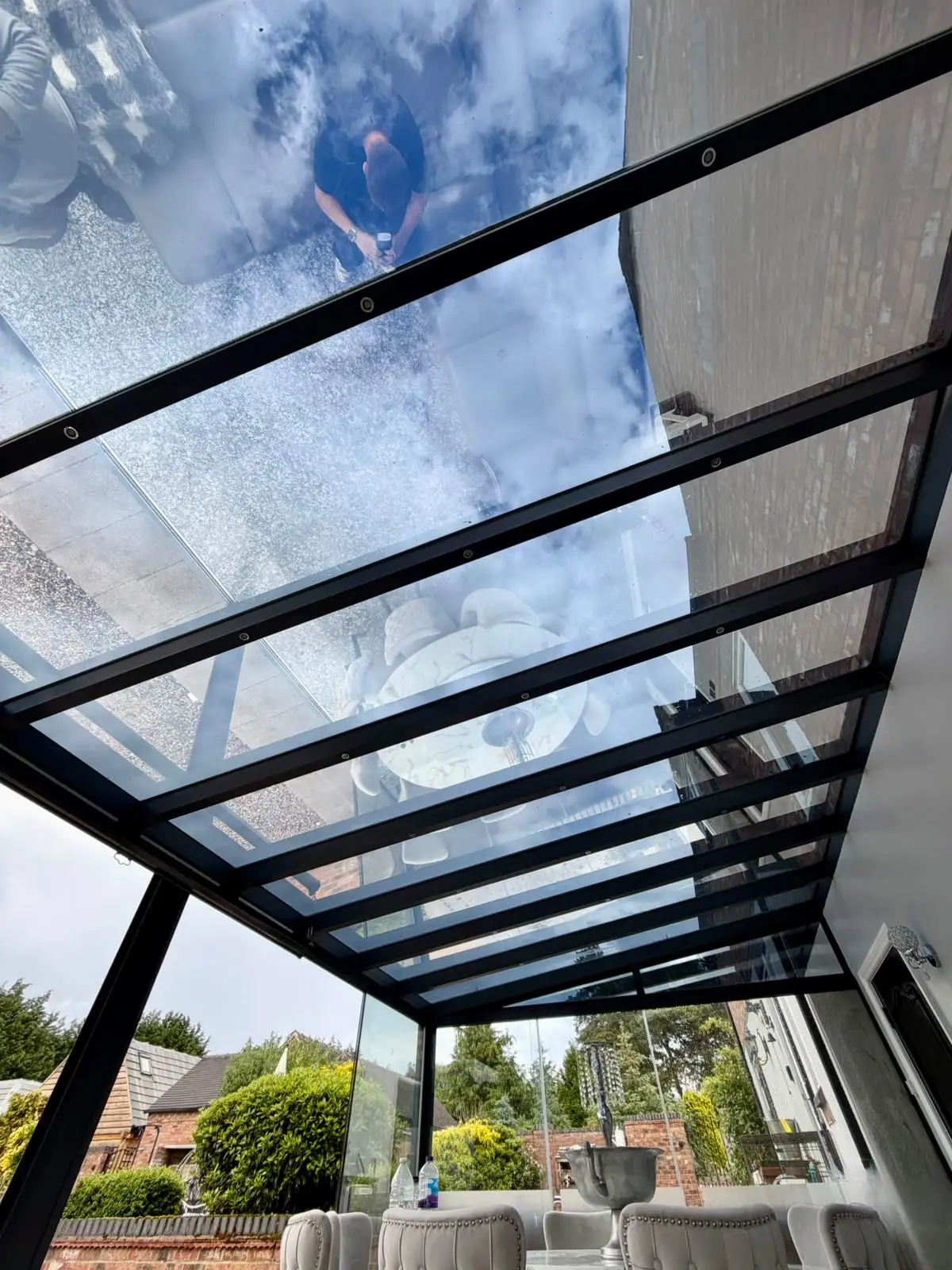
Third, large overhead panes are difficult to measure, cut and install. Gravity causes the application solution and film to behave differently from an installation on an easily accessible vertical window.
Finally, working around high conservatory glazing presents a safety risk. Roof panels are not designed to support a person’s weight, and ordinary household ladders may not provide suitable access.
Professional installation includes glass assessment, product selection, careful preparation, accurate trimming and appropriate aftercare guidance.
Choosing the Right Conservatory Roof Film
Before deciding on a product, return to the original question: can you tint a conservatory roof in a way that addresses your particular problem?
A homeowner primarily concerned about heat may require a different film from someone whose main difficulty is glare, UV exposure or privacy.
The assessment should consider:
- The roof material and glazing specification
- The direction and angle of the panels
- The amount of direct sunlight
- The required level of heat reduction
- The desired amount of natural light
- Internal and external appearance
- Glare on screens and work areas
- Furniture vulnerable to fading
- Access and safe installation
- Existing coatings, film or blinds
Tints Windows can examine suitable conservatories, orangeries, glazed extensions, roof lanterns, skylights and rooflights before recommending an appropriate solution.
Contact the team to request a free, no-obligation quotation. Photographs of the roof, information about the glazing and a description of the main problem can help with the initial assessment.
