
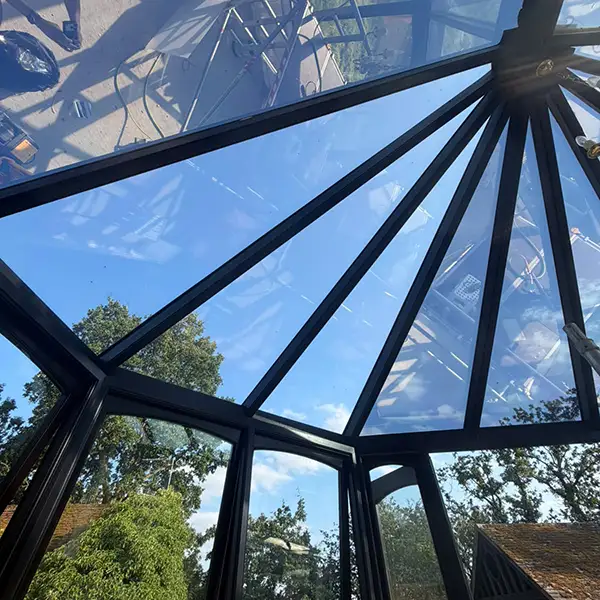
Why does my conservatory get so hot during otherwise pleasant weather? It is a question frequently asked by homeowners who discover that their bright, attractive glazed room becomes uncomfortable as soon as the sun appears. Tints Windows helps homeowners manage this problem with professionally selected window film designed to reduce solar heat gain while preserving natural light and views of the garden.
A conservatory can be one of the most enjoyable rooms in a home. It creates a connection with the garden, introduces generous amounts of daylight and provides additional space for relaxing, dining, working or entertaining. However, the same extensive glazing that makes the room feel bright and open can also cause temperatures to rise quickly.
Understanding why this happens is the first step towards finding an effective and practical solution.
Why Does My Conservatory Get So Hot in Summer?
If you are wondering, “why does my conservatory get so hot?”, the amount of glass surrounding the room is usually the main reason. Traditional rooms have insulated walls and relatively limited window space. Conservatories, by comparison, may have glazing across most of their walls and roof.
Sunlight contains solar energy. When it passes through conservatory glass, it warms the floor, furniture, walls and other surfaces inside the room. These warmed materials then release heat into the surrounding air.
Some of that heat becomes trapped inside the conservatory. Although sunlight entered easily through the glazing, the resulting heat does not escape at the same rate. Temperatures can therefore continue rising while the sun remains on the room.
The effect is similar to what happens inside a parked vehicle on a sunny day. The outside temperature may feel perfectly comfortable, but the temperature behind the glass can become considerably higher.
This problem is especially noticeable during late spring and summer, although a conservatory can also overheat on bright days during other parts of the year. Even when the outdoor temperature is moderate, strong direct sunlight can make a heavily glazed room feel unpleasantly warm.
The Direction Your Conservatory Faces
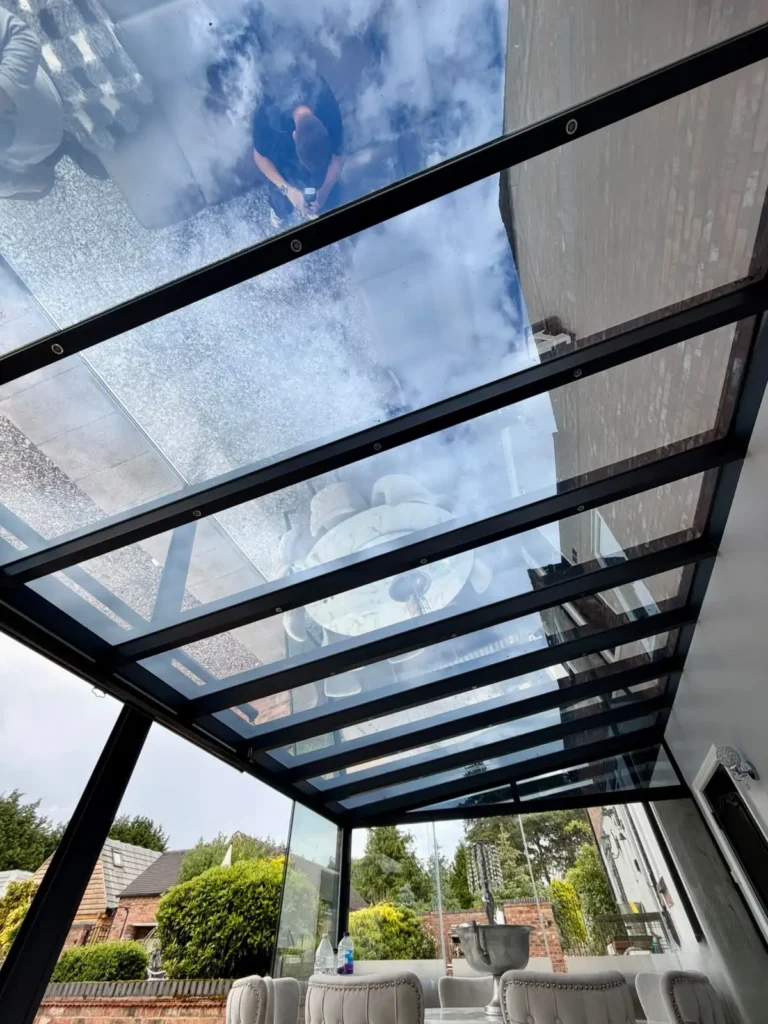
The answer to “why does my conservatory get so hot?” can partly depend on the direction the room faces. Orientation affects when the glazing receives direct sunlight and how long that exposure lasts.
South-facing conservatories generally receive the greatest amount of sunlight throughout the day. They can warm quickly in the morning and continue receiving strong solar energy well into the afternoon.
West-facing conservatories often experience significant heat later in the day. The lower afternoon and evening sun may shine directly through the vertical windows, making the room uncomfortable at precisely the time when people want to relax or eat dinner.
East-facing conservatories receive more morning sunlight. They may become warm quite early, particularly when roof glazing allows the sun to reach deeply into the room.
North-facing conservatories usually receive less direct sunlight, but this does not mean they are immune to overheating. Roof glass, nearby reflective surfaces and seasonal changes in the sun’s position can still create excessive heat and glare.
The surrounding environment also matters. Light-coloured walls, pale paving, water and nearby windows can reflect additional sunlight towards the conservatory. Trees and neighbouring buildings may provide shade during part of the day, but their effect can change with the season.
Why Opening the Windows May Not Be Enough
Many homeowners respond to overheating by opening every available window and door. Ventilation can certainly help warm air escape, but it does not prevent more solar energy from entering through the glass.
When someone asks, “why does my conservatory get so hot even with the windows open?”, the continuing flow of sunlight is often the explanation. Warm air may leave the room, but the floor, furniture and other surfaces are still being heated by solar radiation.
Ventilation also depends on air movement. On a still day, opening several windows may make surprisingly little difference. Hot air can remain trapped near the conservatory roof, particularly if the available vents are small or poorly positioned.
Leaving doors and windows open may introduce other problems, including:
- Insects entering the home
- Reduced security
- Outdoor noise
- Dust and pollen
- Sudden rain entering the room
- Increased noise from nearby roads or gardens
- Pets or young children gaining unsupervised access outside
Ventilation remains an important part of conservatory temperature management, but it is often most effective when combined with a method that reduces the amount of solar energy entering the room.
Does the Conservatory Roof Make a Difference?
When considering “why does my conservatory get so hot?”, it is important to look upwards. Conservatory roof glazing can receive intense sunlight for many hours, especially around the middle of the day when the sun is highest.
Roof glass often contributes significantly to solar heat gain because of its angle and exposure. The sunlight passing through overhead panels can create concentrated areas of heat across floors, tables, sofas and work surfaces.
Orangeries and glazed extensions can experience similar problems. Although an orangery usually includes more brickwork and solid construction than a traditional conservatory, a large roof lantern can direct sunlight into the centre of the room. Kitchens, dining tables and seating areas positioned beneath the lantern may become particularly warm.
Skylights and rooflights can also create uncomfortable hotspots. A room does not need to be entirely glazed to experience overheating. One large overhead window can introduce enough direct sunlight to affect the temperature and usability of the space below.
The roof material must be identified before any treatment is recommended. Glass, polycarbonate and modern insulated roof systems have different characteristics. Standard architectural window film is primarily designed for compatible glass and should not automatically be applied to plastic glazing.
The Type of Glass Can Affect Heat Build-Up
Another part of the answer to “why does my conservatory get so hot?” lies in the glazing specification. Conservatory glass can vary considerably according to the age, construction and quality of the room.
Older conservatories may contain single glazing or early double-glazed units with limited solar-control properties. Newer installations may use coated glass intended to improve insulation or reduce heat gain, although performance will vary between products.
Double glazing can help retain warmth during colder weather, but it does not automatically prevent solar energy from entering during summer. In some situations, the insulation that helps keep a conservatory warmer in winter can also make it slower to release accumulated heat.
Glazing factors that should be considered include:
- Whether the units are single, double or triple glazed
- Whether the glass is toughened or laminated
- The presence of low-emissivity coatings
- Existing solar-control treatments
- The age and condition of sealed units
- The angle and direction of the glazing
- Whether the roof is made from glass or polycarbonate
These details are also important when selecting window film. An unsuitable product can create excessive thermal stress within the glass, so the darkest or most reflective film is not automatically the best choice.
Why Blinds Do Not Always Solve the Problem
After asking “why does my conservatory get so hot?”, many homeowners initially consider fitting blinds. Roof and window blinds provide shade and can reduce visible brightness, but their effectiveness against heat depends on their design, colour, position and material.
Internal blinds sit behind the glass. This means sunlight has already passed through the glazing before it reaches the blind. The blind may absorb some of that solar energy and become warm, releasing heat into the conservatory.
Blinds can still be useful for adjustable shade and privacy. However, extensive conservatory blind systems can be costly, particularly where the roof contains numerous awkwardly shaped panels. Fabric coverings may also collect dust, become discoloured and make the glazing more difficult to clean.
Closing roof blinds can substantially reduce daylight and obscure the open appearance that attracted the homeowner to the conservatory in the first place.
Window film and blinds can be used together. Film can provide continuous solar and UV control, while blinds offer adjustable shade or greater privacy when required.
How Conservatory Window Film Reduces Heat
For homeowners repeatedly asking, “why does my conservatory get so hot?”, solar-control window film offers a practical way to address heat closer to its source.
An appropriate film reflects or absorbs a proportion of incoming solar energy before it enters the main living space. By reducing solar heat gain through suitable glazing, the film can slow the rate at which the conservatory warms up.
Professional conservatory window tinting can be applied to suitable roof glass, vertical windows, doors, roof lanterns, skylights and rooflights. The exact film and installation position will depend on the glazing and the level of performance required.
Window film does not turn a conservatory into an air-conditioned room, nor can it guarantee a fixed temperature. Its purpose is to reduce the impact of direct sunlight and make indoor conditions easier to manage.
Potential advantages include:
- Reduced solar heat gain
- Less disruptive glare
- Improved comfort around televisions and computers
- Protection against ultraviolet exposure
- Reduced fading of furniture and flooring
- Greater daytime privacy with selected films
- Less dependence on permanently closed blinds
- A cleaner, less cluttered appearance
Different films provide different balances of heat reduction, visible light transmission and appearance. A highly reflective product may offer strong solar control but create a more noticeable external finish. A lighter neutral film may look subtler while still delivering a useful improvement.
Can Window Film Help With Glare and Fading?
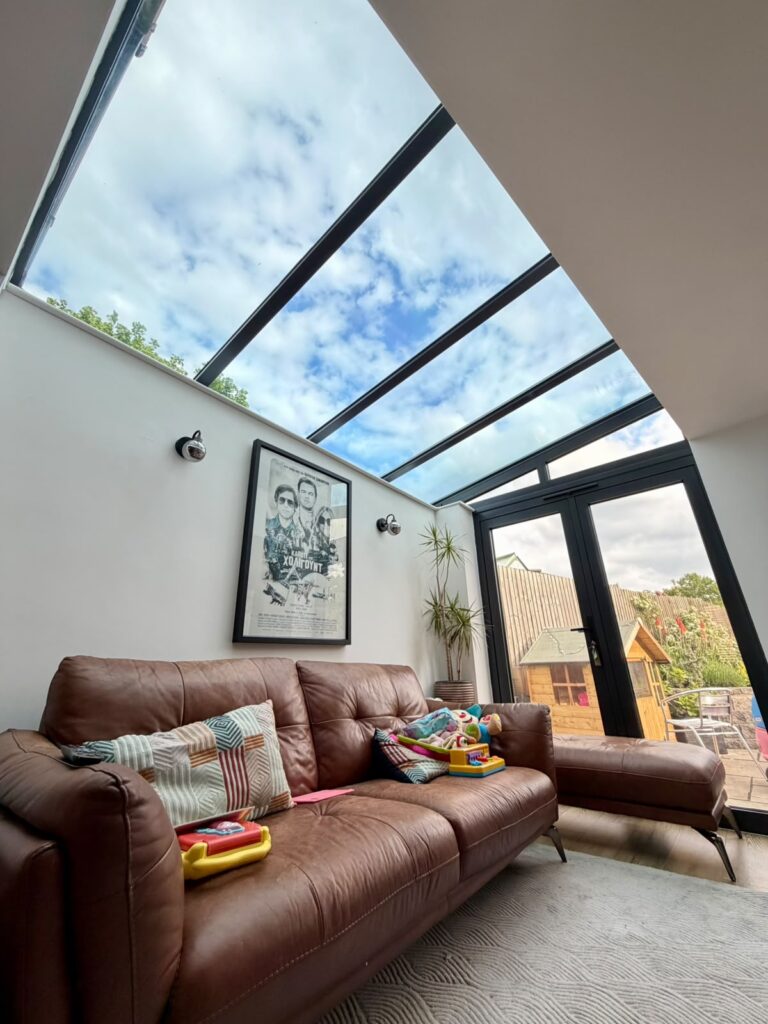
Sometimes the question “why does my conservatory get so hot?” is only part of the problem. The same sunlight responsible for heat build-up can create strong reflections and expose interior furnishings to prolonged ultraviolet radiation.
Glare can make televisions, laptops and mobile devices difficult to see. This is particularly troublesome when a conservatory is used as a home office, television room or playroom.
Anti-glare window film reduces the intensity of visible light passing through the glass. The appropriate grade will depend on how severe the glare is and how much natural daylight the homeowner wants to preserve.
UV protection is another important consideration. Ultraviolet radiation is one of several causes of fading and deterioration. Conservatories can expose sofas, carpets, wooden flooring, artwork, photographs and decorative fabrics to sunlight from multiple directions.
Window film cannot prevent all fading because heat, visible light, material quality and natural ageing also contribute. However, limiting UV transmission can provide an additional layer of protection for vulnerable furnishings.
Other Ways to Keep a Conservatory Cooler
Once you understand “why does my conservatory get so hot?”, it becomes easier to combine several sensible measures.
In addition to solar-control window film, you may wish to consider:
- Improving high-level ventilation
- Using ceiling or portable fans
- Keeping internal doors closed during the hottest periods
- Introducing external shade where practical
- Choosing lighter-coloured furnishings
- Moving sensitive furniture away from direct sunlight
- Improving insulation in dwarf walls and solid sections
- Using blinds for adjustable shade alongside window film
- Reviewing whether heating equipment is producing unnecessary warmth
- Adding suitable air conditioning where greater temperature control is required
No single solution is ideal for every conservatory. The best approach depends on the room’s orientation, glazing, roof construction, ventilation and intended use.
A conservatory used occasionally may need a different solution from one serving as a daily home office or main family living space.
Choosing the Right Window Film
Before selecting a product, it is worth looking beyond the headline heat-reduction figure. Window film must be compatible with the glazing and appropriate for the result the homeowner wants.
If your main concern is “why does my conservatory get so hot?”, stronger solar-control performance may be the priority. If the room also feels too dark during winter, a lighter or more selective film could provide a better balance.
A professional assessment should consider:
- The type and condition of the glass
- The direction the conservatory faces
- The strength and duration of direct sunlight
- Roof access and installation safety
- The desired internal and external appearance
- Existing coatings or window film
- Requirements for heat, glare, UV control and privacy
- Whether internal or external installation is appropriate
Samples can help homeowners compare different shades and finishes before making a decision. The aim should be to improve comfort without compromising more daylight or external visibility than necessary.
Make Your Conservatory More Comfortable
If you continue to wonder, “why does my conservatory get so hot?”, the answer is usually a combination of extensive glazing, direct sunlight, roof exposure and limited heat escape. Opening the windows may provide temporary relief, but it does not prevent solar energy from continuing to enter.
Tints Windows can assess the conservatory glazing, orientation and main sources of discomfort before recommending a compatible film. Solutions are available for suitable conservatories, orangeries, glazed extensions, roof lanterns, skylights and rooflights.
Professionally installed window film can help reduce solar heat gain, control distracting glare and protect furnishings against UV exposure while retaining the bright character of the room.
Contact Tints Windows to arrange a free, no-obligation quotation and discover whether conservatory window tinting could help you use your glazed living space more comfortably throughout the year.
