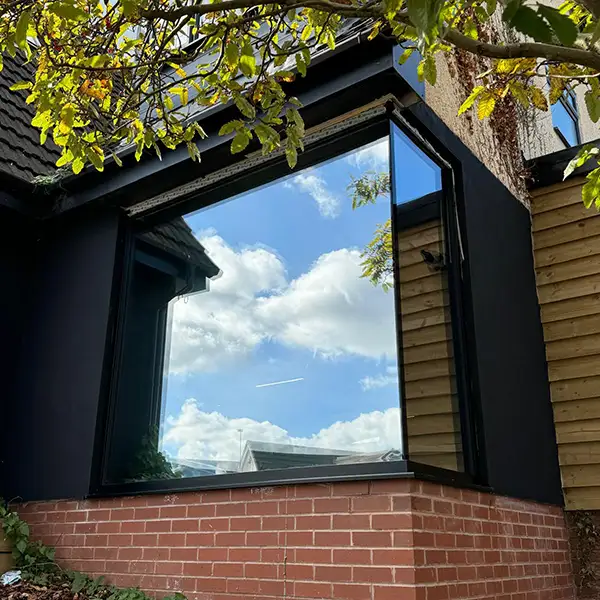
Conservatory Window Tinting for Roof Glass
Conservatory window tinting from Tints Windows can make heavily glazed living spaces more comfortable, practical and enjoyable throughout the year. Professionally selected window film helps control excessive solar heat, reduce disruptive glare and limit ultraviolet exposure without covering the glass with heavy blinds or replacing the existing glazing.
Our service is suitable for conservatories, orangeries, glazed extensions, skylights and rooflights. Different films can be installed on vertical windows, doors and suitable roof glass, allowing the treatment to address the particular challenges affecting each part of the room.
Whether your conservatory becomes unbearably hot during summer, your orangery suffers from screen reflections or a large skylight exposes furniture to constant sunlight, Tints Windows can recommend a solution based on the glazing, orientation and results you want to achieve.
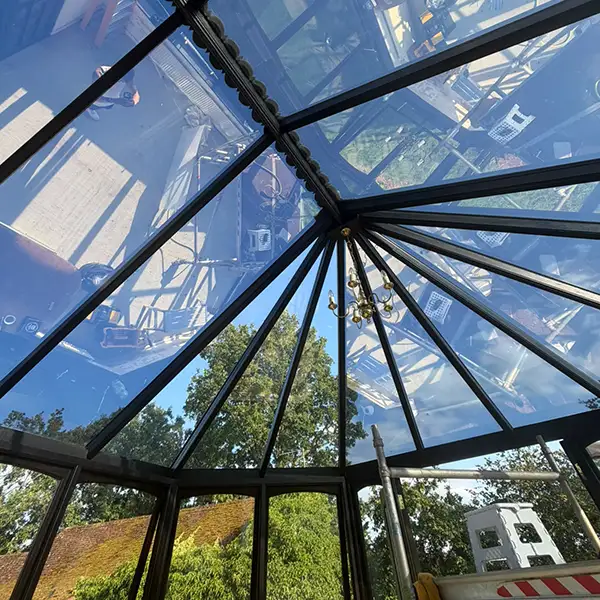
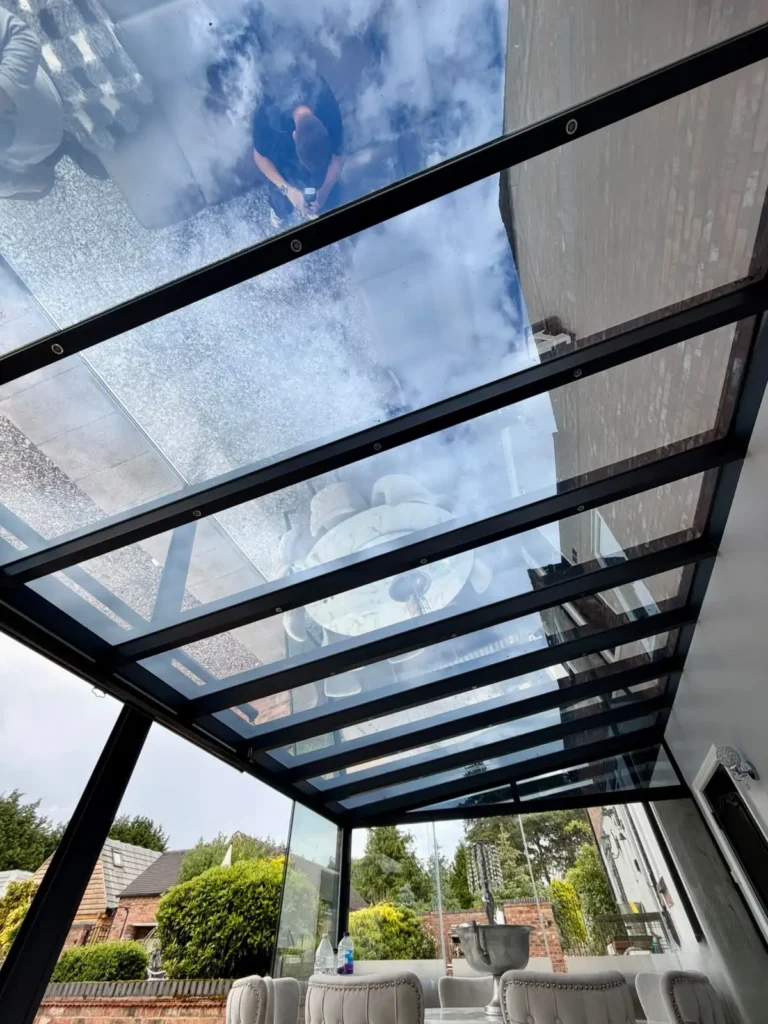
Window Film for Conservatories and Orangeries
Conservatories and orangeries are designed to bring natural light into the home. However, the amount of glass used in their construction can also create problems that are less noticeable in an ordinary room.
Direct sunlight passing through the roof and windows may cause temperatures to rise rapidly. Bright light can create glare on televisions, computers and reflective surfaces, while prolonged UV exposure can contribute to fading across furniture, flooring and decorative finishes.
Conservatory window tinting improves the performance of suitable existing glazing without fundamentally changing the design of the room. Carefully selected film can preserve the bright and open appearance of the space while making the incoming sunlight easier to manage.
Potential benefits include:
- Reduced solar heat gain
- Less glare on televisions and screens
- Improved visual comfort
- Protection against ultraviolet exposure
- Greater daytime privacy
- Reduced fading of furnishings
- A more balanced appearance across the glazing
- Less reliance on blinds and temporary coverings
The precise result will depend on the film, glazing specification, direction of the windows and amount of sunlight reaching the room.
Reduce Excessive Heat in Your Conservatory
Overheating is one of the most common reasons homeowners consider conservatory window tinting. Large sections of roof glass and south-facing windows can allow considerable solar energy into the room, particularly during spring and summer.
This heat may make the space uncomfortable during the brightest part of the day. Opening doors and windows can help, but ventilation alone may not be enough when sunlight continues to pass directly through the glazing.
Our heat reduction window film reflects or absorbs a proportion of incoming solar energy before it enters the living space. This can slow the rate at which temperatures rise and help create a more manageable indoor environment.
Heat reduction film may be suitable for:
- South-facing conservatories
- Glazed extensions with large roof panels
- Orangeries with roof lanterns
- Kitchens with overhead glazing
- Home offices inside conservatories
- Dining areas exposed to afternoon sunlight
- Large patio doors and glazed side panels
Window film does not replace ventilation, heating or air conditioning. However, an appropriate solar control film can become an important part of managing a room that receives prolonged direct sunlight.
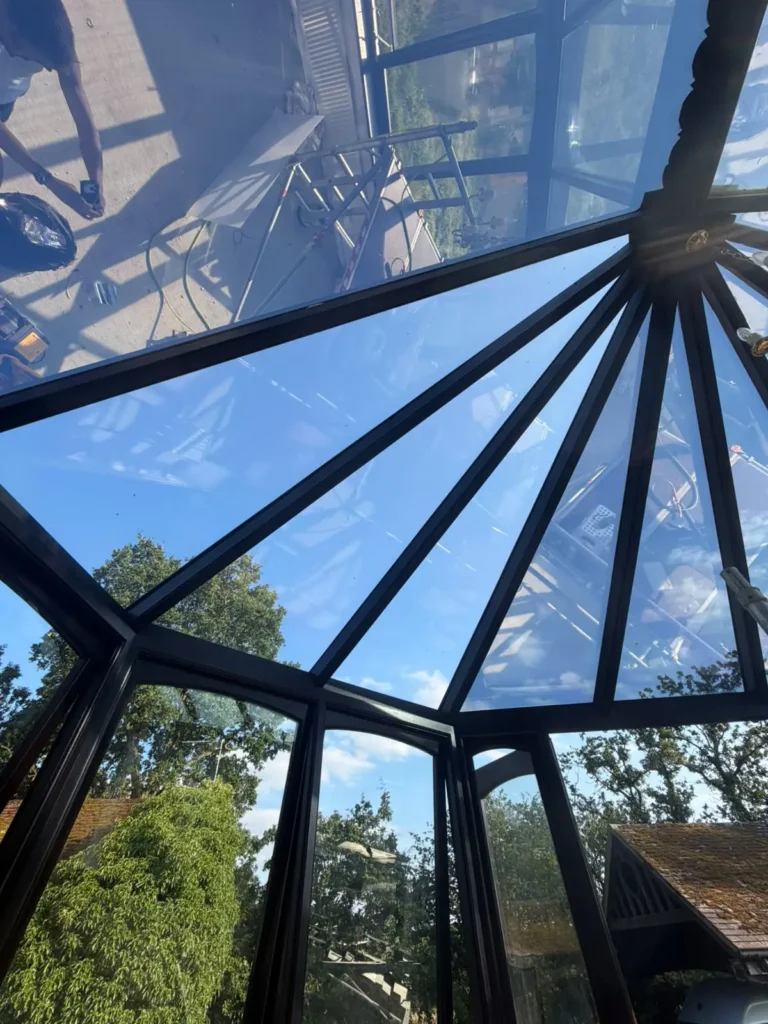
Reduce Glare Without Losing the View
Bright sunlight can make a conservatory difficult to use even when the temperature is comfortable. Reflections may affect television screens, laptops, tablets and mobile phones, while intense light can cause eye strain or force occupants to close blinds.
Our anti-glare window film reduces the intensity of visible light passing through the glazing. Different film grades allow homeowners to choose an appropriate balance between glare control, natural daylight and external visibility.
Conservatory window tinting can be especially useful where the room is used as:
- A living room
- A home office
- A television room
- A dining space
- A playroom
- A reading area
- An art or hobby room
Unlike curtains and blinds, window film remains directly on the glass and does not occupy space around the frame. Selected products can reduce troublesome reflections while preserving a view of the garden.
UV Protection for Furniture and Flooring
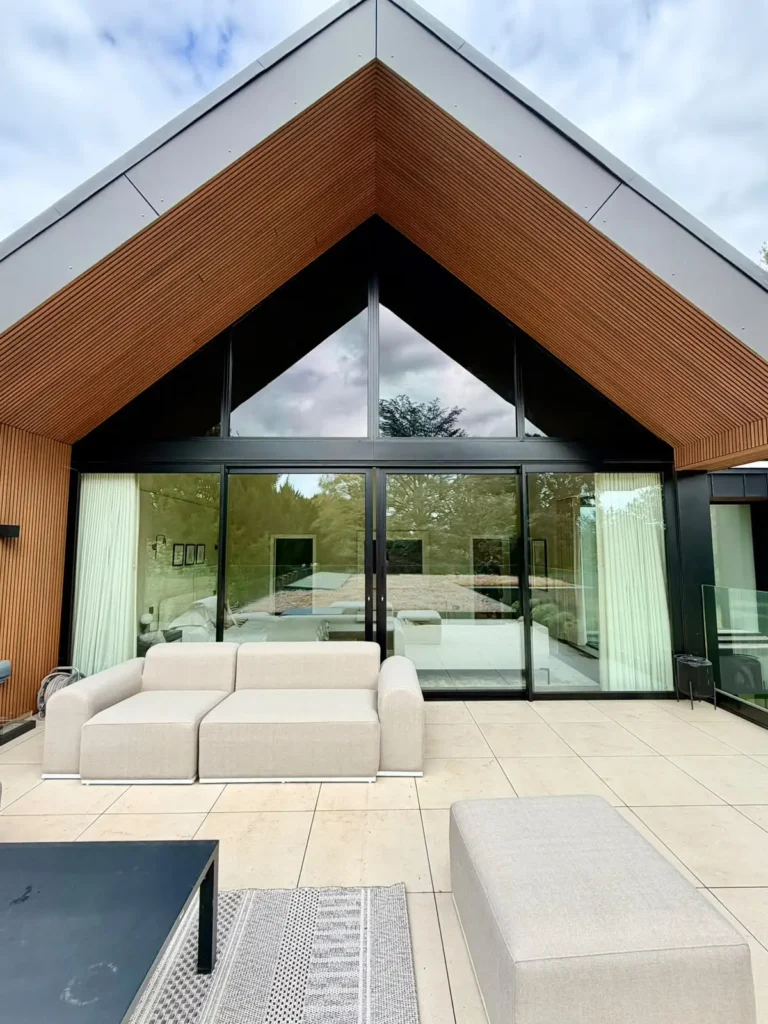
Ultraviolet radiation is one of several factors that contribute to fading. Conservatories and orangeries can be particularly vulnerable because furniture, flooring and artwork may receive sunlight from several directions.
Our UV protection film helps limit the amount of ultraviolet radiation passing through suitable glazing. This provides an additional layer of protection for interior materials without making the room permanently dark.
UV protection may be particularly valuable for:
- Wooden flooring
- Carpets and rugs
- Sofas and upholstered furniture
- Curtains and cushions
- Artwork and photographs
- Books and display collections
- Painted furniture
- Decorative fabrics
No film can stop fading completely. Visible light, heat, material quality and natural ageing can also affect interior finishes. Nevertheless, conservatory window tinting can reduce one of the most significant sources of exposure and help furnishings retain their appearance for longer.
Window Tinting for Orangeries
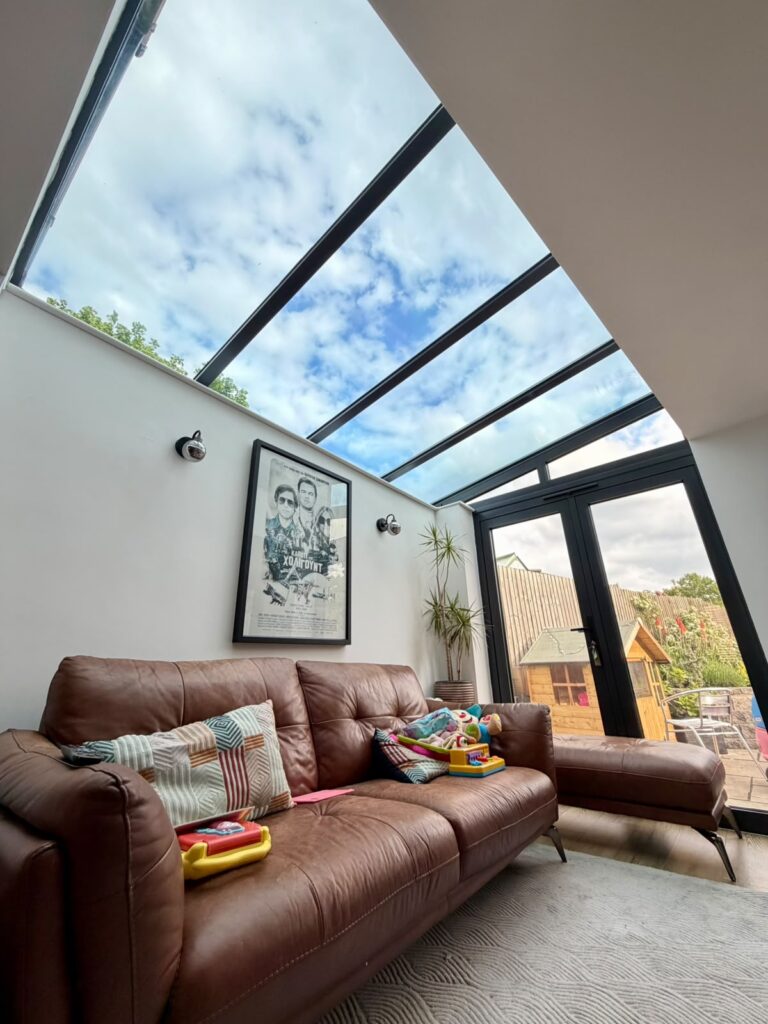
Orangeries generally contain more brickwork and solid construction than traditional conservatories, but roof lanterns and large windows can still introduce significant heat and glare.
A roof lantern may direct sunlight into the centre of the room for several hours. This can create bright hotspots, raise temperatures and expose dining tables, kitchen surfaces or soft furnishings to continuous light.
Window film can be installed on suitable orangery glazing to improve solar control without concealing the architectural design of the lantern. Depending on the product and glass specification, treatment may be applied internally or externally.
Orangery window tinting can be planned around:
- Roof lantern glazing
- Full-height windows
- Bi-fold and patio doors
- Glazed entrance doors
- Side panels
- Internal glass partitions
Different areas do not always need the same film. Roof glazing may require stronger solar control, while vertical windows may benefit from a lighter or more neutral finish.
Internal and External Window Film
Some window films are installed on the internal surface of the glass, while others are designed for external application. External film may be recommended where the glazing construction, position or performance requirement makes internal installation unsuitable.
Roof glass can require particular care because it receives more direct sunlight and may experience different temperature conditions from vertical glazing.
Before recommending conservatory window tinting, our team will consider:
- Whether the glazing is single, double or triple glazed
- Whether the glass is toughened or laminated
- The presence of low-emissivity coatings
- The age and condition of the sealed units
- The direction and angle of the glazing
- Whether the film can be accessed internally
- The amount of direct sunlight received
- The desired appearance from inside and outside
The selected film must be compatible with the glass. Applying an unsuitable product can place unnecessary thermal stress on the glazing, which is why professional assessment is important.
Window Film for Skylights and Rooflights
Skylights and rooflights bring daylight into kitchens, loft conversions, extensions, stairwells and rooms where conventional windows are limited. Their overhead position can also expose the room to direct sunlight for long periods.
Professional conservatory window tinting products can also be considered for suitable skylights and roof windows. The correct installation will depend on the type of glazing, its angle and whether the film needs to be fitted internally or externally.
Skylight window film can help:
- Reduce overhead glare
- Control solar heat
- Limit UV exposure
- Protect flooring and furniture below
- Make kitchens and workspaces more comfortable
- Reduce intense patches of sunlight
- Improve the usability of loft rooms
High or difficult-to-reach glazing may require specialist access equipment. Tints Windows will consider the height, surrounding surfaces and safe working space when preparing the quotation.

Glass and Polycarbonate Conservatory Roofs
Traditional conservatory roofs may use glass, polycarbonate panels or a combination of materials. Standard architectural window film is principally designed for compatible glass surfaces.
Polycarbonate is not the same as glass and should not automatically receive an ordinary window film. Its surface, expansion characteristics and existing protective coatings may require a product specifically intended for plastic glazing.
Tints Windows will need to identify the roof material before recommending a treatment. Where the conservatory has a polycarbonate roof, alternative solutions or specialist films may need to be considered.
Homeowners should avoid purchasing a generic film before confirming compatibility with the glazing manufacturer or an experienced installer.
Privacy for Conservatory Windows
Conservatories positioned close to neighbouring properties, footpaths or roads can sometimes feel exposed. Large glazed panels may provide clear views into the room, particularly at ground level.
Our privacy window film can reduce visibility through suitable conservatory windows while continuing to admit natural light. Reflective and tinted options may provide greater daytime privacy, depending on the relative lighting conditions.
Reflective privacy relies on the treated side being brighter than the viewing side. This means performance can change after dark when indoor lights are switched on. Curtains or blinds may still be needed where reliable night-time privacy is essential.
Frosted treatments offer privacy from both directions and may be appropriate for selected side panels, entrance doors or lower sections of glass. Our frosted window film is available for homeowners who want a more permanent obscured effect.
Choosing the Right Film and Finish
Not every homeowner wants visibly dark or mirrored glazing. Modern conservatory window tinting is available in different shades, colours and performance levels, including more neutral products designed to make a subtle change to the appearance of the glass.
Possible finishes include:
- Light neutral films
- Medium solar control tints
- Darker anti-glare films
- Reflective finishes
- Spectrally selective films
- Frosted privacy film
- Decorative patterns
- Clear UV protection films
A darker film may provide stronger glare reduction, but it will also reduce more visible light. Reflective film can offer effective solar control and daytime privacy, although it creates a more noticeable external appearance.
Our team will explain these trade-offs before installation. Samples can help you compare the expected appearance and choose a film that complements the conservatory, orangery or surrounding property.

A Practical Alternative to Roof Blinds
Conservatory roof blinds can provide shade, but they may be expensive, collect dust and make roof glazing more difficult to clean. Some systems also reduce daylight substantially when closed.
Conservatory window tinting provides a low-profile alternative that remains directly on the glass. Once installed, there are no cords, rails or fabric panels occupying the roof area.
Window film may be particularly useful where:
- The glazing is too high for manual blinds
- Roof shapes make blinds complicated
- Homeowners want to preserve a minimalist appearance
- Existing blinds do not control enough heat
- Cleaning fabric roof coverings is difficult
- The room needs continuous UV protection
Film and blinds can also be used together. Window film can provide continuous solar control, while blinds offer adjustable shade and additional privacy when needed.
Professional Conservatory Window Film Installation
Accurate preparation is essential when installing film on large conservatory panels, roof lanterns and skylights. Dust, contamination and uneven trimming can all affect the final appearance.
Tints Windows prepares each suitable pane before cutting and applying the selected film. Particular attention is paid to edges, seals and the surrounding frame to create a neat finish.
The installation process generally includes:
- Assessing the glass and access requirements.
- Discussing the required heat, glare and privacy performance.
- Selecting a compatible film and finish.
- Measuring and preparing each pane.
- Applying the film using professional installation methods.
- Checking the glazing and completed edges.
- Providing suitable aftercare guidance.
Small amounts of moisture or temporary haziness can sometimes remain while newly installed film dries. Drying conditions vary according to film type, temperature and the amount of sunlight reaching the glass.
Caring for Tinted Conservatory Glass
Window film is designed to require relatively little maintenance. However, abrasive products, sharp tools and unsuitable cleaning chemicals can damage the surface.
After installation, customers should allow the film to dry for the period recommended by the installer. Once it is ready for cleaning, use a soft cloth or non-abrasive squeegee with a mild cleaning solution.
Avoid:
- Scrapers and razor blades
- Rough sponges
- Abrasive powders
- Strong ammonia-based cleaners
- Hard brushes
- Pressure against the film edges
Following the provided care guidance will help preserve the clarity and appearance of the conservatory window tinting.
Conservatory Window Tinting FAQs
Does Window Film Make a Conservatory Cooler?
Solar control film can reduce the amount of solar energy passing through suitable glazing. This can slow heat build-up and make the space more comfortable, although results depend on the glass, film, orientation and ventilation.
Will the Conservatory Become Too Dark?
Solar control film can reduce the amount of solar energy passing through suitable glazing. This can slow heat build-up and make the space more comfortable, although results depend on the glass, film, orientation and ventilation.
Can You Tint a Conservatory Roof?
Suitable glass roof panels can often be tinted. The glazing specification, angle, accessibility and condition must be assessed before a compatible film is selected.
Can Window Film Be Applied to Polycarbonate?
Standard architectural film should not automatically be applied to polycarbonate. The material must be identified first, and a specialist compatible product may be required.
Can You Tint an Orangery Roof Lantern?
Suitable roof lantern glass can often receive solar control film. Internal or external installation may be recommended depending on the glazing construction and access.
Can Skylights Be Tinted?
Many suitable glass skylights and rooflights can be treated. High-level windows may require additional access equipment, which will be considered during the quotation.
Will Window Film Stop Furniture from Fading?
UV protection film can significantly reduce ultraviolet exposure, which is one cause of fading. Heat, visible light and natural material ageing can still contribute, so fading cannot be prevented completely.
Does Reflective Film Provide Privacy at Night?
Reflective privacy is strongest when it is brighter outside than inside. At night, internal lighting can reverse this effect, so curtains or blinds may still be required.
Can Film Be Fitted Over Existing Window Film?
Existing film will normally need to be inspected and may have to be removed before a new product is installed. Applying film over an unknown existing layer can affect appearance and performance.
Is Window Film Suitable for Double Glazing?
Many double-glazed units can receive window film, but compatibility depends on the glass, coatings and selected product. The glazing should be assessed before installation.
Can You Treat Only the Roof Glass?
Yes. Conservatory window tinting can be limited to roof panels, a roof lantern, selected windows or another problem area. Treating vertical glazing as well may provide more consistent solar control.
How Long Does Installation Take?
Timescales depend on the number and size of panes, roof height, access and film type. These requirements will be assessed before the installation date is arranged.
Why Choose Tints Windows?
Tints Windows provides tailored architectural window film for homes and commercial properties. Every conservatory, orangery and skylight installation begins with an assessment of the glazing rather than assuming one product will suit every pane.
Customers benefit from:
- Professional film recommendations
- Internal and external film options
- Solutions for heat, glare, UV and privacy
- A selection of shades and finishes
- Careful installation around frames and seals
- Support with large and difficult-to-reach glazing
- Products selected for the relevant glass type
- Free, no-obligation quotations
Our goal is to find an appropriate balance between solar performance, daylight and appearance, allowing you to use your glazed space more comfortably.
Request a Conservatory Window Tinting Quote
Conservatory window tinting can help turn an overheated or excessively bright glazed space into a more comfortable part of your home. Tints Windows can assess conservatories, orangeries, roof lanterns, skylights and rooflights before recommending an appropriate film.
Contact our team on 01543 390570 or request a free quotation. Please include photographs of the glazing, details of the main problem and any information you have about the roof or glass construction.