
Conservatory roof blinds vs window film is an important comparison for homeowners who want to reduce heat and glare without losing the bright, open character of their glazed room. Tints Windows provides professionally selected window film for conservatories, orangeries, roof lanterns and skylights, helping homeowners create a more comfortable and practical living environment.
Both roof blinds and window film can improve the usability of a conservatory, but they work in different ways. Blinds provide adjustable shade after sunlight has passed through the glass, while solar-control window film manages a proportion of the incoming solar energy directly at the glazing.
The best option will depend on the construction of the conservatory, the severity of the heat or glare, the desired appearance and how the room is used.
Conservatory Roof Blinds vs Window Film: How They Work
Understanding conservatory roof blinds vs window film begins with the way each product controls sunlight.
Roof blinds are fitted below the conservatory glazing. When closed, they prevent some visible sunlight from reaching the main living area. This creates shade and can make the room feel less intensely bright.
However, because internal blinds sit behind the glass, sunlight has already entered the conservatory before it reaches the fabric. The blinds may absorb solar energy, become warm and release some of that heat into the surrounding room.
Solar-control window film is applied directly to compatible glazing. Depending on the product, the film reflects or absorbs a proportion of incoming solar energy. This reduces the amount of heat and visible light passing through the treated glass.
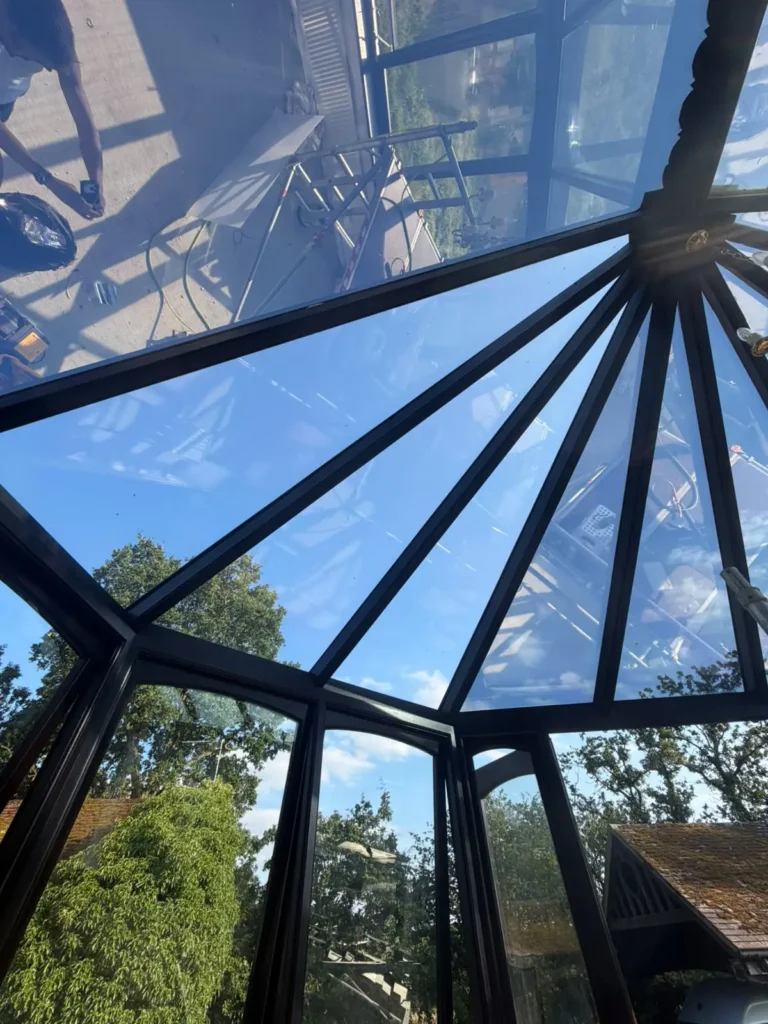
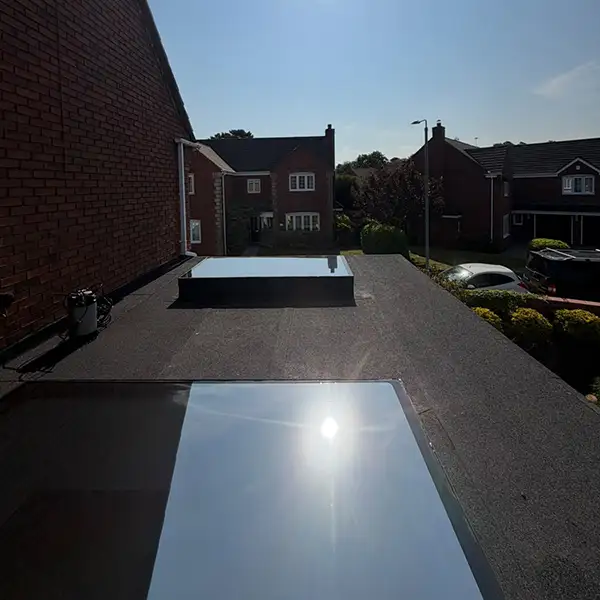
Professionally selected conservatory window tinting can be installed on suitable roof glass, vertical windows, roof lanterns, doors, skylights and rooflights. Different film grades allow the treatment to be tailored according to the glazing and the main problem affecting the room.

Which Option Provides Better Heat Reduction?
Heat control is often the most important consideration when comparing conservatory roof blinds vs window film.
A heavily glazed conservatory can become much warmer than the outside temperature because solar energy passes through the roof and windows. Floors, furniture and other internal surfaces absorb this energy and release it as heat.
Roof blinds can make the space feel more shaded, but they do not necessarily stop solar energy from entering through the glazing. Once sunlight reaches an internal blind, some heat is already inside the conservatory.
Window film addresses solar heat gain at the glass. An appropriate solar-control product can reflect or absorb part of the incoming energy before it reaches the main living space. This can slow the rate at which the room warms up and make indoor temperatures easier to manage.
The precise result will depend on:
- The type of window film
- The glazing specification
- The direction the conservatory faces
- The amount of roof and vertical glass
- The length of direct sun exposure
- The available ventilation
- Existing shade from trees or nearby buildings
- The construction and insulation of the conservatory
Window film does not replace ventilation or air conditioning. However, it can become an important part of controlling excessive solar heat, particularly in south-facing and west-facing conservatories.
Homeowners who want to understand the underlying causes can read our guide explaining why a conservatory gets so hot.
Comparing Glare Control and Natural Light
Another important factor in the conservatory roof blinds vs window film comparison is glare. Excessive brightness can make televisions, computers, tablets and mobile phones difficult to use. Direct sunlight may also cause eye strain or make certain seating areas uncomfortable.
Roof blinds offer adjustable glare control. Homeowners can close the blinds when the sun is particularly strong and reopen them when more natural light is wanted.
However, blinds may create an all-or-nothing result. Fully closing a large roof blind system can significantly darken the room. Light may also continue entering through untreated vertical windows and doors.
Anti-glare window film provides continuous control without requiring daily adjustment. The selected film reduces the intensity of visible light passing through the glazing, helping to control disruptive reflections.
Different grades of film provide different levels of visible light transmission. A darker film will generally reduce more glare but will also create a more noticeable change to the glass. A lighter or more neutral product may preserve more daylight while still improving visual comfort.
Some homeowners choose to treat only the roof glass, while others apply film to selected vertical windows as well. The best arrangement will depend on the direction of the sunlight and the way the room is used throughout the day.
Which Option Looks Better?
Appearance is subjective, so there is no universal winner when assessing conservatory roof blinds vs window film.
Roof blinds introduce fabric, rails, fixings and operating mechanisms into the conservatory. These features may complement a traditional interior, particularly where the blinds are carefully matched to the furniture and décor.
In a modern or minimalist conservatory, the blind system may feel more visually intrusive. Shaped roof panels can also require individually made blinds, resulting in numerous sections across the ceiling.
Window film remains directly on the glass and does not occupy space around the frames. This can preserve a cleaner appearance, particularly in conservatories with narrow frames, large roof panels or contemporary glazing.
Modern architectural films are available in several shades and finishes, including:
- Light neutral films
- Medium solar-control tints
- Darker anti-glare films
- Reflective finishes
- Spectrally selective products
- Clear UV-protection films
- Frosted privacy treatments
- Decorative designs
Reflective film can create a more noticeable external appearance, while neutral products may produce a subtler change. Samples allow homeowners to compare the finishes before choosing a product.
Window film is not invisible, particularly when a darker or more reflective product is selected. The aim is to find an appropriate balance between solar performance, daylight, external visibility and appearance.
Cleaning and Maintenance Requirements
Maintenance is another practical consideration in the conservatory roof blinds vs window film decision.
Roof blinds can collect dust, cobwebs and insects. Cleaning may be difficult when the blinds are positioned across high or awkwardly shaped roof panels. Fabric can also become discoloured over time, particularly in a room exposed to strong sunlight.
Some blinds can be vacuumed or wiped carefully, but large roof systems may require specialist cleaning. Cords, tracks, motors and operating mechanisms can also need attention as the installation ages.
Window film generally requires relatively little maintenance once it has dried fully. The treated glazing can be cleaned using a soft cloth or non-abrasive squeegee with a mild cleaning solution.
Abrasive products, razor blades, rough sponges and strong ammonia-based cleaners should be avoided because they can damage the film. Care should also be taken around its edges.
Unlike fabric blinds, window film has no cords, rails or motors. This makes it especially useful for glazing that is difficult to reach regularly.
The surrounding glass and conservatory frames will still require normal cleaning. External film may also be exposed to weather and environmental contamination, so customers should follow the specific aftercare guidance provided by their installer.
UV Protection and Interior Fading
Ultraviolet protection is sometimes overlooked when comparing conservatory roof blinds vs window film.
Conservatories, orangeries and glazed extensions can expose furniture and interior finishes to sunlight from several directions. Over time, this can contribute to fading and deterioration.
Materials that may be affected include:
- Sofas and upholstered furniture
- Carpets and rugs
- Wooden and laminate flooring
- Curtains and cushions
- Artwork and photographs
- Books and display collections
- Painted furniture
- Decorative fabrics
Closed roof blinds can protect certain areas from direct sunlight, but this protection is only present when the blinds are covering the glass. Light entering through vertical windows may continue to reach the furnishings.
Appropriate window film provides continuous UV control across treated glazing. This protection remains in place without the homeowner needing to close anything.
No window treatment can prevent fading completely. Visible light, heat, material quality and natural ageing can all affect furniture and decorative finishes. Nevertheless, UV-protection film can reduce one of the major contributing factors.
Privacy During the Day and at Night
Privacy may also influence the conservatory roof blinds vs window film choice, particularly where the room is overlooked by neighbours or positioned close to a road or footpath.
Blinds provide physical screening when fully closed. Depending on the fabric and design, they may offer privacy during both daylight and evening hours.
Reflective window film can improve daytime privacy when the outside of the glazing is brighter than the inside. People outside see more reflection, while occupants can often retain a view through the glass.
This effect changes when the lighting conditions reverse. Once it becomes dark outside and indoor lights are switched on, reflective film will not provide dependable night-time privacy.
Frosted window film creates a more consistent obscured effect and may be useful for selected side windows, doors or lower glass panels. However, frosted film also blocks a clear view through the treated area.
Homeowners who need adjustable or reliable evening privacy may prefer blinds or curtains, either alone or in combination with solar-control film.
Installation and Access Requirements
Installation is a significant part of the conservatory roof blinds vs window film comparison.
Roof blinds often need to be made for the exact dimensions and shapes of the conservatory panels. Complex roofs, roof lanterns and unusually shaped glazing can increase the number of individual blind sections required.
Motorised blinds require suitable controls and may need an electrical supply. Tracks and mechanisms must be positioned carefully so that the blinds move without catching on frames, vents or handles.
Window film also requires accurate measurement, preparation and installation. Large roof panels, skylights and roof lanterns may need specialist access equipment.
Before film is recommended, the installer should establish:
- Whether the glass is single, double or triple glazed
- Whether it is toughened or laminated
- Whether low-emissivity coatings are present
- The age and condition of sealed units
- Whether existing film has already been applied
- The angle and direction of the glazing
- Whether internal access is available
- Whether internal or external film is required
Applying an unsuitable film can place unnecessary thermal stress on the glass. Professional assessment is therefore important, particularly for double-glazed roof units and modern coated glass.
Polycarbonate conservatory roofs require separate consideration. Ordinary architectural window film should not automatically be applied to polycarbonate because it behaves differently from glass and may have existing protective coatings.
Comparing the Likely Costs
There is no simple answer when comparing the cost of conservatory roof blinds vs window film. Prices will depend on the size and complexity of the conservatory, the selected product and the access required.
Roof blind costs may be influenced by:
- The number and shape of roof panels
- Manual or motorised operation
- The chosen fabric
- Track and operating systems
- Electrical work
- Bespoke manufacturing
- Installation height and access
Window film costs can be affected by:
- The total area of glass
- The type and performance of the film
- Internal or external application
- Roof height and access
- The condition of the glazing
- The number of individual panes
- Whether old window film must be removed
Window film is frequently chosen because it does not require a mechanical operating system. However, the lowest initial price should not be the only consideration.
Homeowners should compare expected heat reduction, glare control, maintenance, appearance and service life. A cheaper product that does not address the main problem may offer poor value in the longer term.
Can Roof Blinds and Window Film Be Used Together?
The conservatory roof blinds vs window film decision does not always require homeowners to choose one and reject the other.
Window film and blinds can perform complementary roles. Film can provide continuous solar heat, glare and UV control, while blinds offer adjustable shade and additional privacy.
This combination may be useful where:
- Strong sunlight affects the room for much of the day
- Homeowners want adjustable light levels
- Evening privacy is important
- Existing blinds do not provide enough heat reduction
- The room contains furniture vulnerable to UV exposure
- Screens are used regularly
- Different parts of the conservatory receive sunlight at different times
Existing blinds do not necessarily need to be removed before window film is fitted. However, the installer will need suitable access to the glass and should assess whether the film is compatible with the glazing.
Which Option Is Right for Your Conservatory?
The right choice in the conservatory roof blinds vs window film comparison depends on what you want to achieve.
Roof blinds may be preferred when adjustable shade and night-time privacy are the main priorities. They can also introduce colour and softness to a traditionally furnished conservatory.
Window film may be more suitable when homeowners want continuous solar control, lower maintenance and a cleaner appearance. It is particularly useful for large or difficult-to-reach roof panels where manually operating and cleaning blinds would be inconvenient.
Before deciding, consider:
- Is heat, glare, UV exposure or privacy the main problem?
- Do you want an adjustable or continuous solution?
- How much natural light are you prepared to lose?
- Is the glass easy to reach?
- Do you prefer visible fabric or a low-profile treatment?
- Will privacy be needed after dark?
- Is the roof made from compatible glass or polycarbonate?
- Are there existing blinds that could remain in place?
Tints Windows assesses the glazing, orientation and intended use of the room before recommending a suitable film. This helps ensure that the chosen product provides an appropriate balance of performance and appearance.
Contact Tints Windows to request a free quotation for a conservatory, orangery, roof lantern, glazed extension, skylight or rooflight.
